All cases›Terrorism›2008 Mumbai attacks
TerrorismSolved

2008 Mumbai attacks

The 2008 Mumbai attacks, colloquially known as 26/11, were a coordinated series of twelve Islamic terrorist attacks carried out in Mumbai, Maharashtra, India, from 26 to 29 November 2008, by ten members of the Lashkar-e-Taiba.

Place
Mumbai, Maharashtra, India
Date
26–29 Nov 2008
Status
SolvedAuthorities consider the case resolved, usually after identifying or convicting the responsible person.
Sources
2 cited sources

Updated 23 Aug 2026

Overview

Case overview

The 2008 Mumbai attacks, colloquially known as 26/11, were a coordinated series of twelve Islamic terrorist attacks carried out in Mumbai, Maharashtra, India, from 26 to 29 November 2008, by ten members of the Lashkar-e-Taiba. By the early morning of 28 November, all sites except for the Taj Hotel had been secured by the Mumbai Police and security forces. [1]

In 2022, one of the masterminds of the attack, Sajid Mir — who the Pakistani government had earlier said was dead — was convicted for funding terrorist activities by an anti-terrorism court in Pakistan and sentenced to 15 years in prison. In August 2026, the Mumbai Police initiated an "in absentia" trial against Hafiz Saeed, Zaki-ur-Rehman Lakhvi, Sajid Mir, Abu Alqama, Asim alias Abu Qahafa, and Major Abdur Rehman Pasha over their role in the attacks under Section 356 of the Bharatiya Nagarik Suraksha Sanhita. During the hearing of the petition, the government informed the High Court that the Union government of India rejected the proposal to award the Bomb Disposal Squad of the city police for their contribution in defusing grenades in the terror attack. [2]
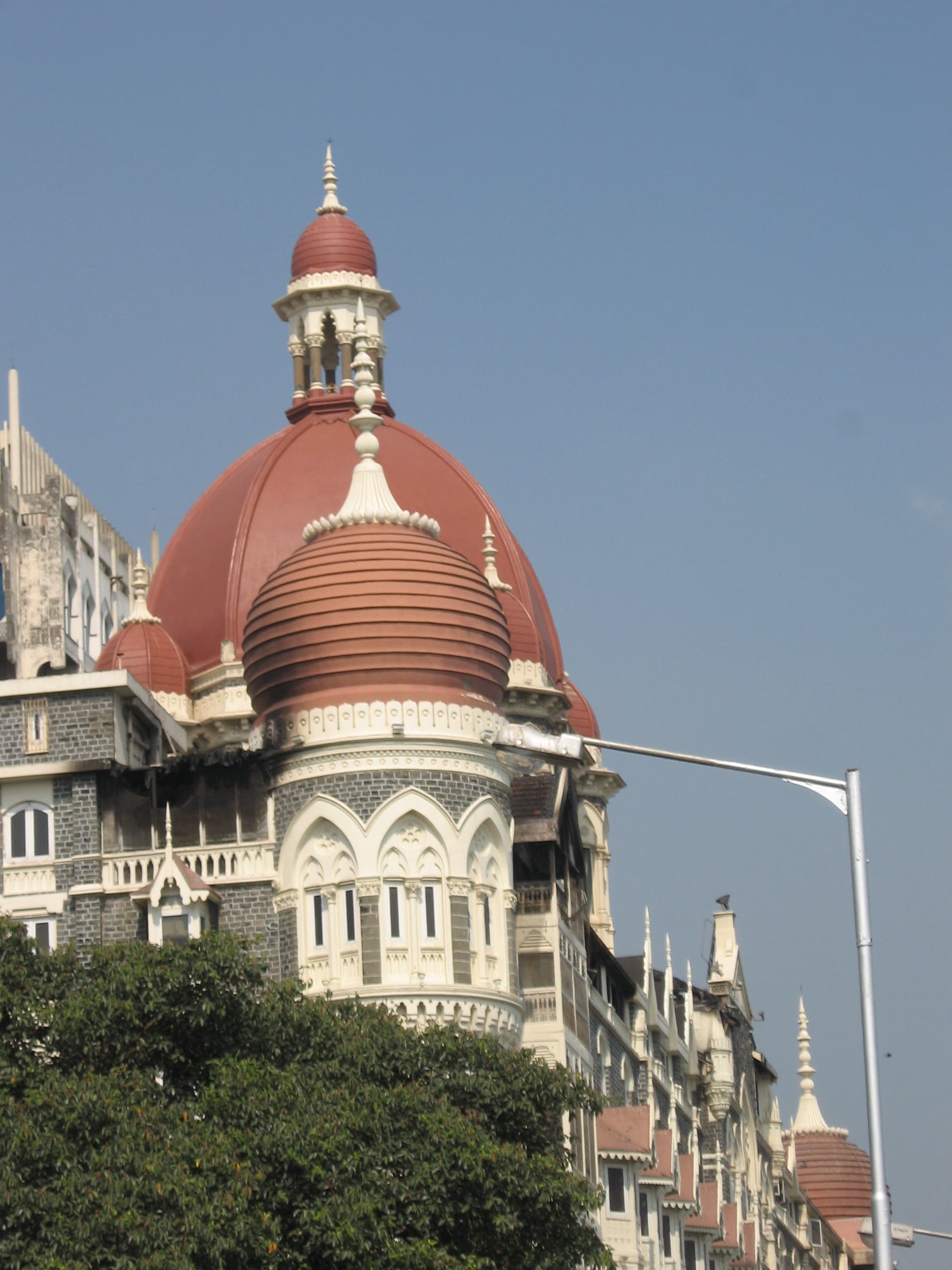
Dome of the Taj Hotel that was set ablaze during the November 2008 Mumbai attacks
Dome of the Taj Hotel that was set ablaze during the November 2008 Mumbai attacksNicholas ( Nichalp ) · CC BY-SA 3.0 · View original ↗
Detailed chronology

Key events

6 sourced milestones

Major events in the case, shown in chronological order.

  1. Prosecutors file charges

    Headley, a Pakistani American, was charged in November 2009 with scouting locations for the 2008 Mumbai attacks.

    Source: Wikipedia ↗
  2. Authorities make an arrest

    On 12 February 2009, Pakistani Interior Minister Rehman Malik said that Pakistani national Javed Iqbal, who acquired VoIP phones in Spain for the Mumbai attackers, and Hamad Ameen Sadiq, who had facilitated money transfer for the attack, had been arrested.

    Source: Wikipedia ↗
  3. A central event is documented

    Kasab initially apologised for the attacks and said he deserved the death penalty for his crimes, but on 18 December 2009, retracted his confession, and said he had been forced by police to make his confession.

    Source: Wikipedia ↗
  4. A later ruling changes the record

    On 21 February 2011, the Bombay High Court upheld the death sentence of Kasab, dismissing his appeal.

    Source: Wikipedia ↗
  5. A central event is documented

    In August 2026, the Mumbai Police initiated an "in absentia" trial against Hafiz Saeed, Zaki-ur-Rehman Lakhvi, Sajid Mir, Abu Alqama, Asim alias Abu Qahafa, and Major Abdur Rehman Pasha over their role in the attacks under Section 356 of the Bharatiya Nagarik Suraksha Sanhita.

    Source: Wikipedia ↗
  6. The surviving attacker is executed

    Ajmal Kasab, the only attacker captured alive, was convicted in 2010 and sentenced to death; India carried out the sentence in November 2012 after his appeals and clemency request failed.

    Source: Wikipedia ↗
Watch

Case videos

0 videos

No videos yet.
Discussion

Case discussion

Ask questions, compare sources, and share documented updates.

No discussions yet
Join the conversation

Reading is open to everyone. Create an account to contribute, reply, and mark useful findings.

Start the conversation
No discussions yet

Begin with a careful question or a documented finding.